Insights from the
verification layer.
Clear, accurate writing on Halal certification — what it covers, how it works, and the ingredient, process, and export questions that decide whether a product conforms. Verification-first, always.
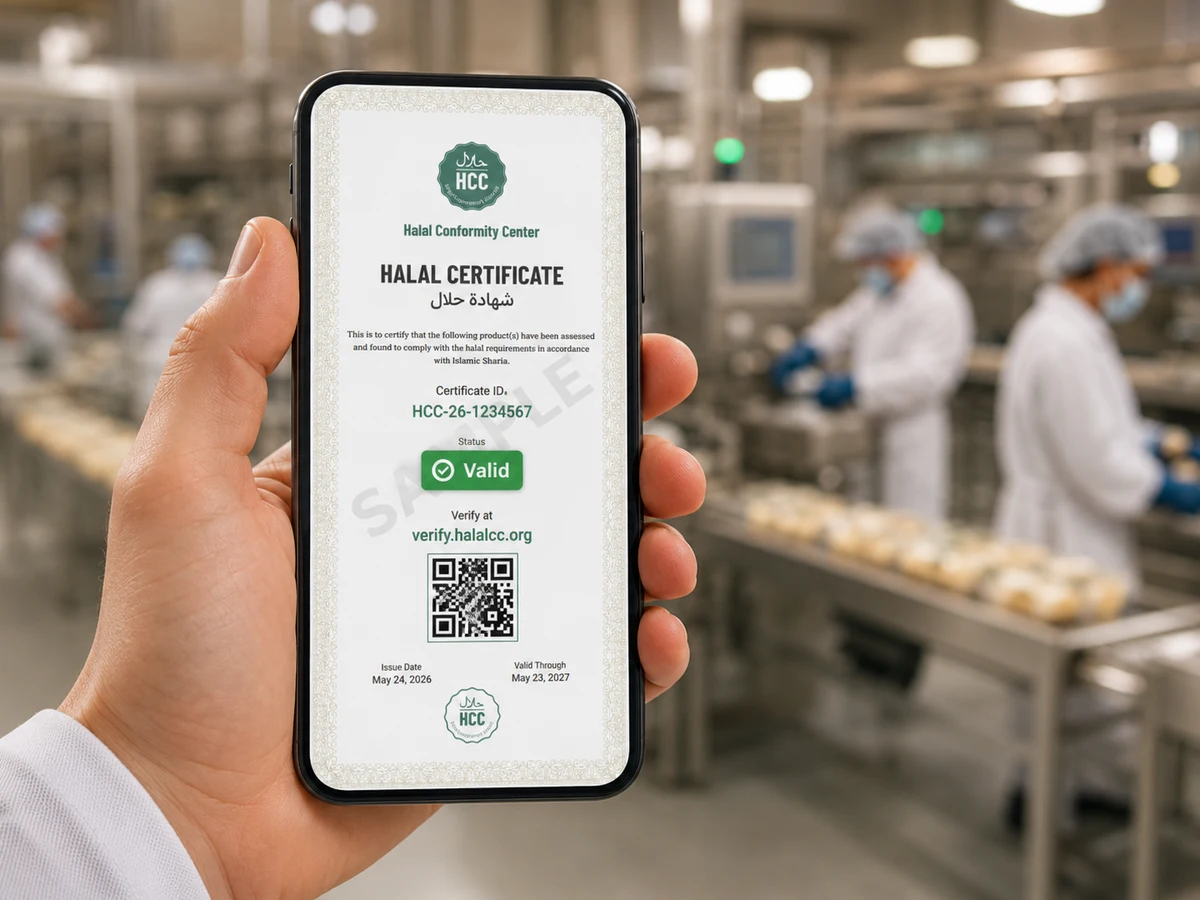
Why Verification Matters More Than the Mark
A Halal logo is only as good as the record behind it. Real-time verification is what turns a claim into trust — and protects honest makers from fake marks.

Exporting to the GCC: Understanding Halal Requirements
The Gulf is one of the most demanding Halal export destinations. Acceptance runs through recognition and standards alignment — and must work at the border.

Halal Logistics and Chain of Custody
A product can be certified at the line and still lose its integrity in transit. Chain of custody is how a Halal claim survives the journey to the shelf.
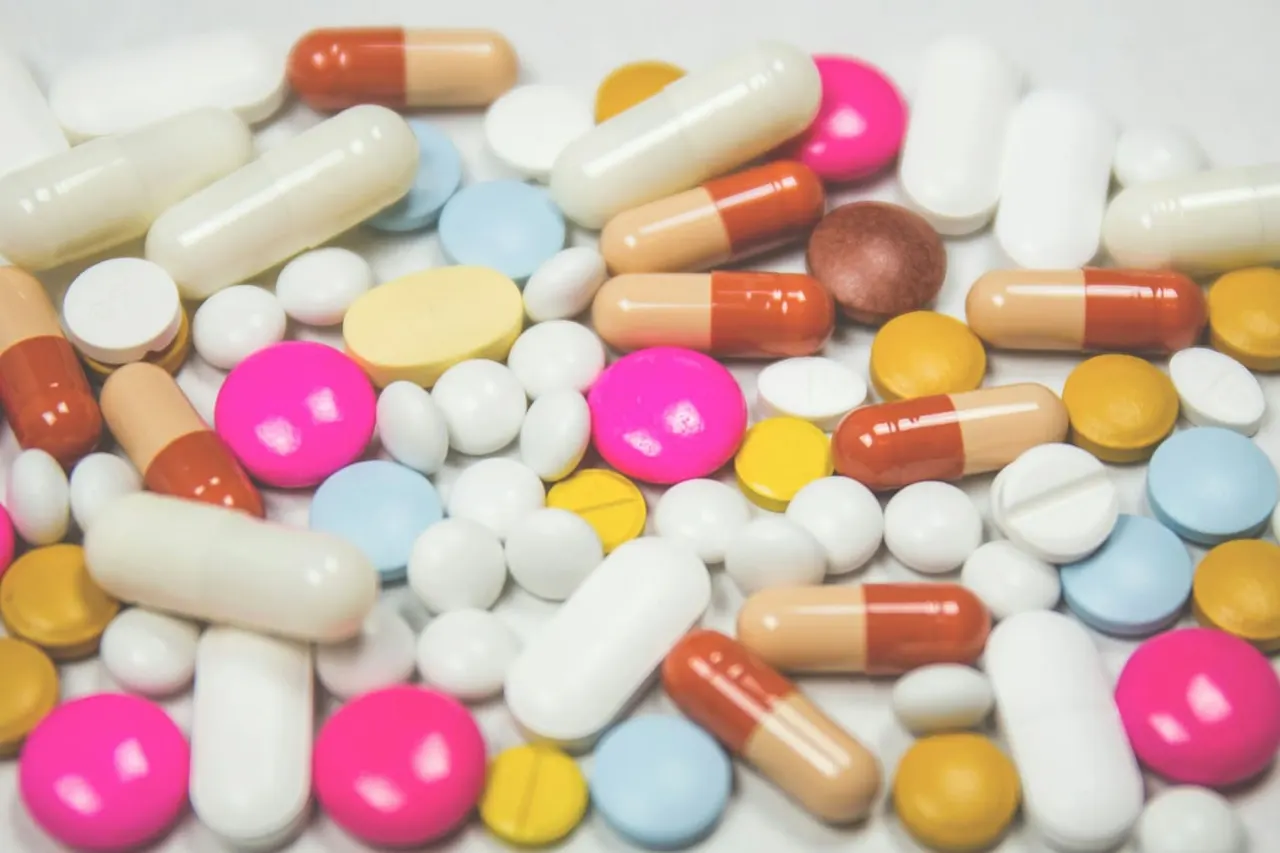
Halal Pharmaceuticals: Excipients & Capsule Shells
In a tablet or capsule, the active is rarely the Halal question. The excipients, capsule shell, and processing aids are — and they reward a close review.
Halal Cosmetics: What to Check Before You Certify
Cosmetic claims live in the ingredient list. From animal-derived glycerin to ethanol and carmine, here is what a Halal cosmetics audit checks at INCI level.
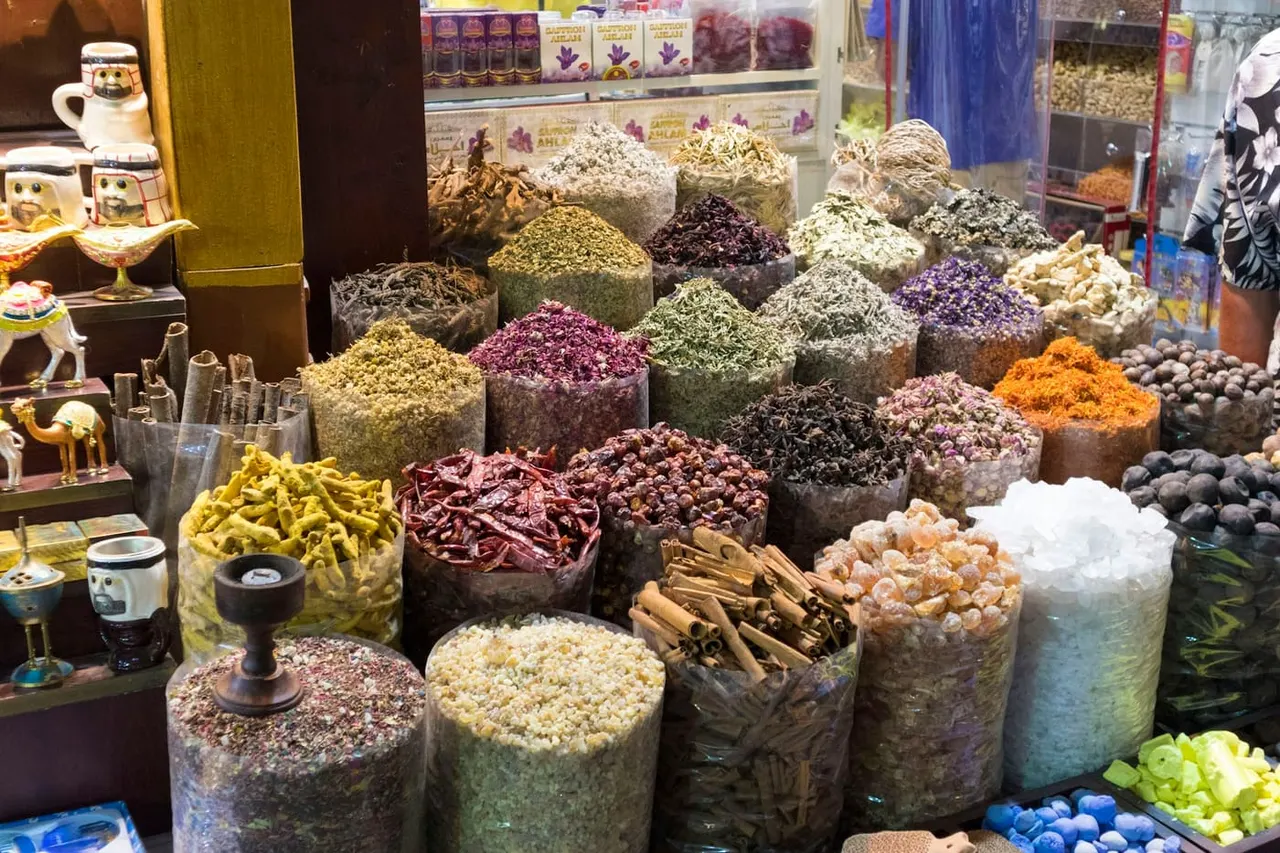
Global Halal Market Size: The 2028 Opportunity
The global halal market size runs from US$2.43T toward US$3.36T by 2028, with a hard 2026 Indonesia deadline. What the curve means for a US manufacturer.
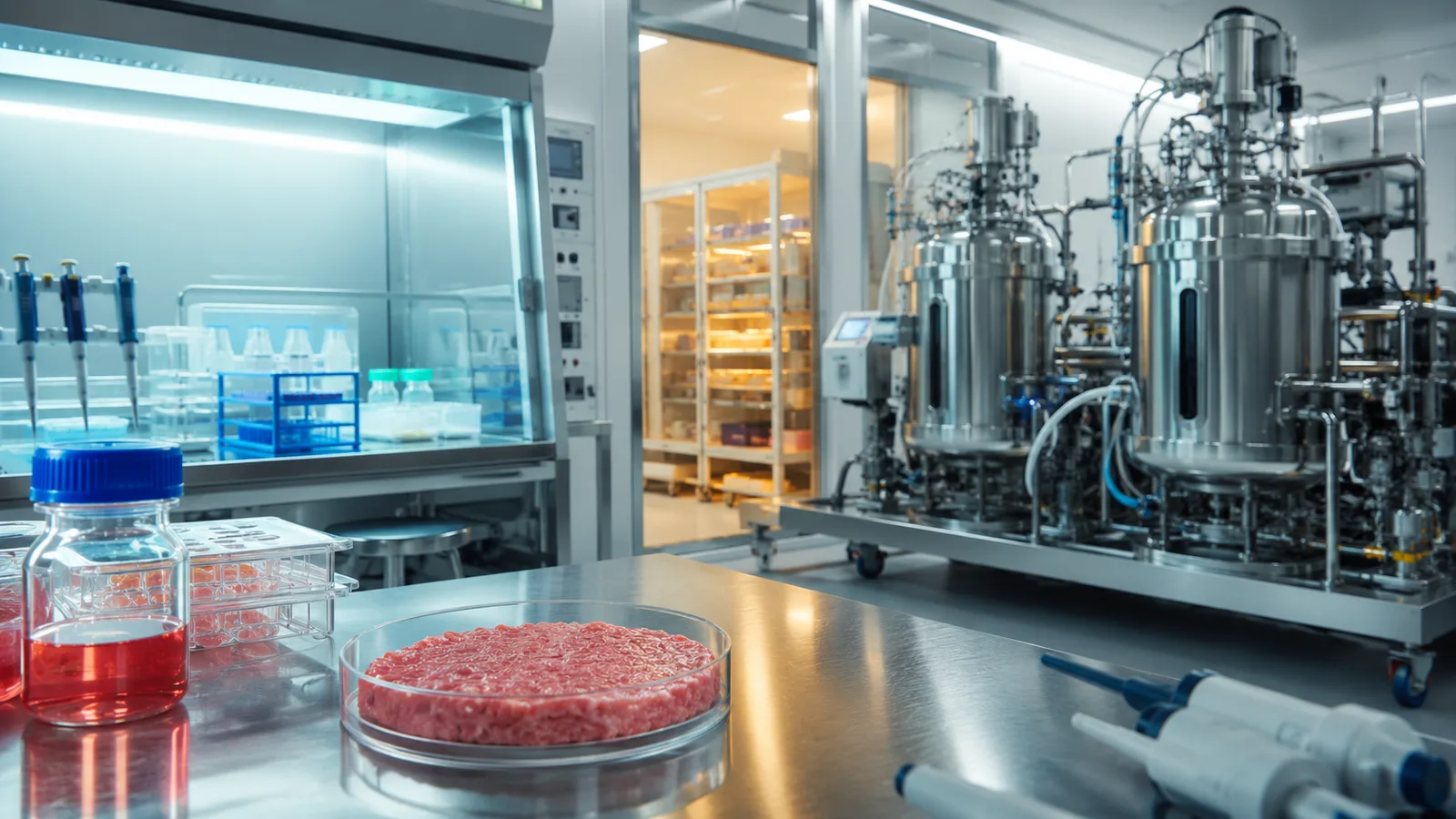
Cultured Meat and Halal: An Emerging Question
Cell-cultured meat poses genuinely new questions for Halal scholarship — the source cells, the growth medium, and how an old framework meets new technology.

Halal vs Kosher Certification: What Actually Differs
A kosher certificate does not automatically make a product halal. From alcohol and gelatin to slaughter, here is where the two standards actually diverge.

Halal Certification Requirements Explained
The halal certification requirements that decide a pass are rarely the obvious ones. The documents, traceability, and facility control an auditor looks for.
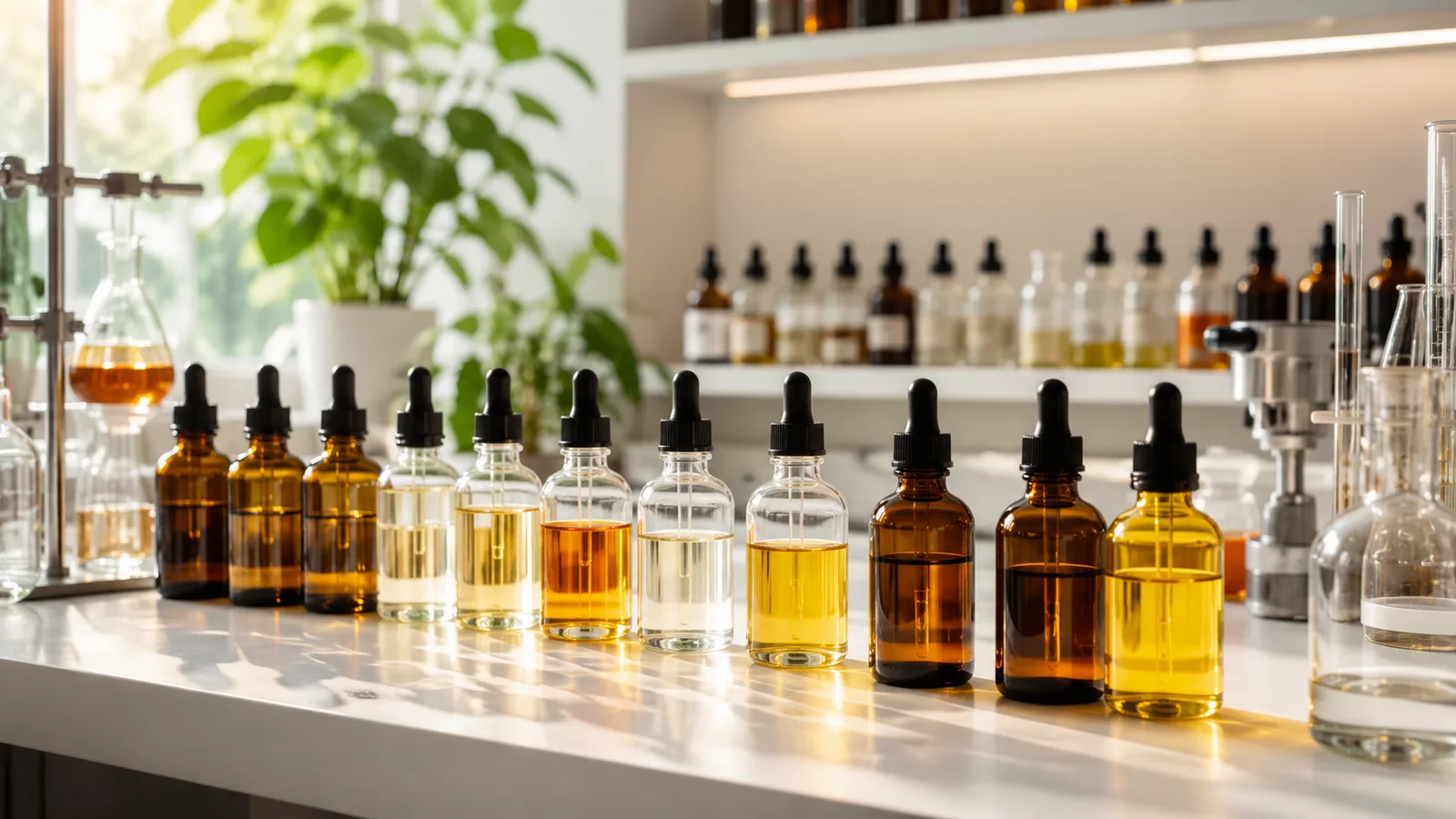
Ethanol in Food: How Halal Rulings Approach It
Ethanol is not a simple yes-or-no question. Source, function, and residual level all shape the ruling — which is why a careful audit documents its rationale.
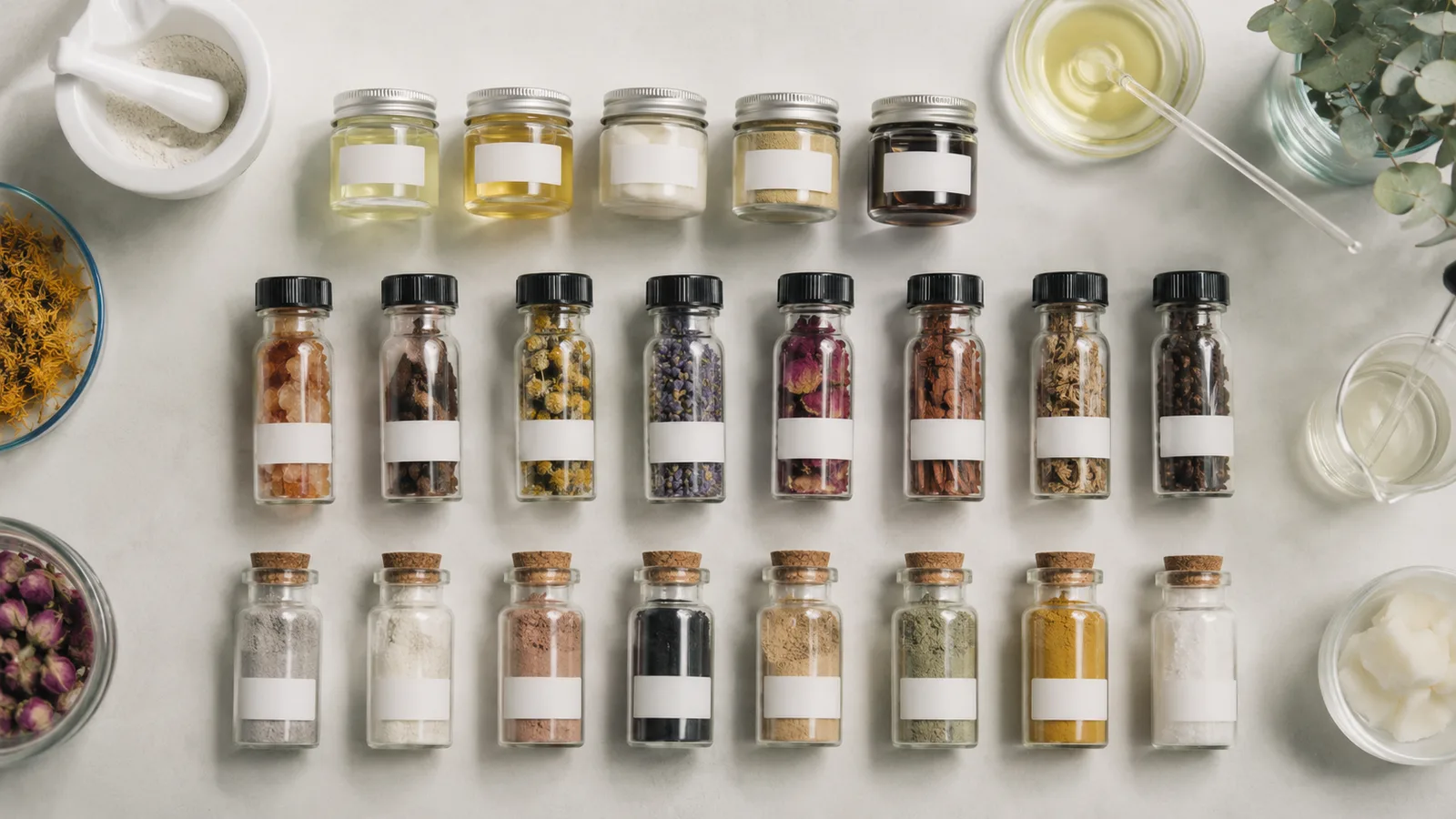
E-Numbers and Halal Status: Reading Between the Codes
An E-number tells you what an additive does, not what it is made from. The same code can be plant or animal-derived — so source documents decide Halal status.
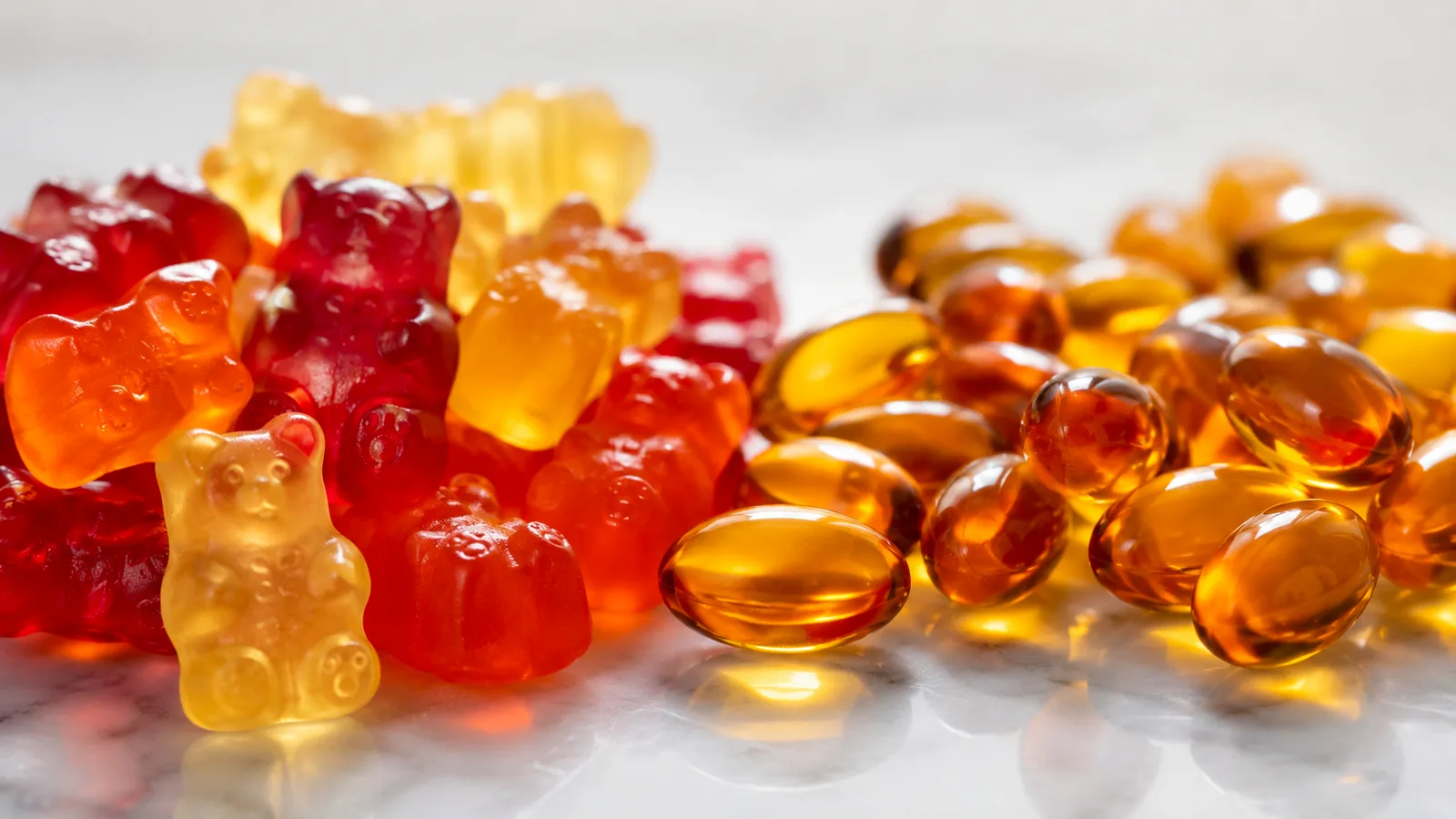
Halal Gelatin: Sources, Status, and What to Check
Gelatin is one of the most common reasons a product fails — or passes — a Halal review. A clear guide to bovine, porcine, fish, and plant-based sources.

The Halal Certification Process, Step by Step
From the first application to a publicly verifiable certificate and the annual re-audit that keeps it honest — how Halal certification actually works.

What Is Halal Certification, Really?
Halal certification is not a sticker — it is a documented claim a buyer or regulator can check. Here is what it covers, who it is for, and how it is built.
Ready to get certified?
Average issuance is about ten days from a clean application. Submit a batch for audit, or talk to a certification advisor about your scheme, market, and timeline.