
Halal Food Certification
From a single ingredient to a finished consumer SKU, HCC certifies food manufacturers end-to-end and issues a certificate any buyer can verify in seconds.
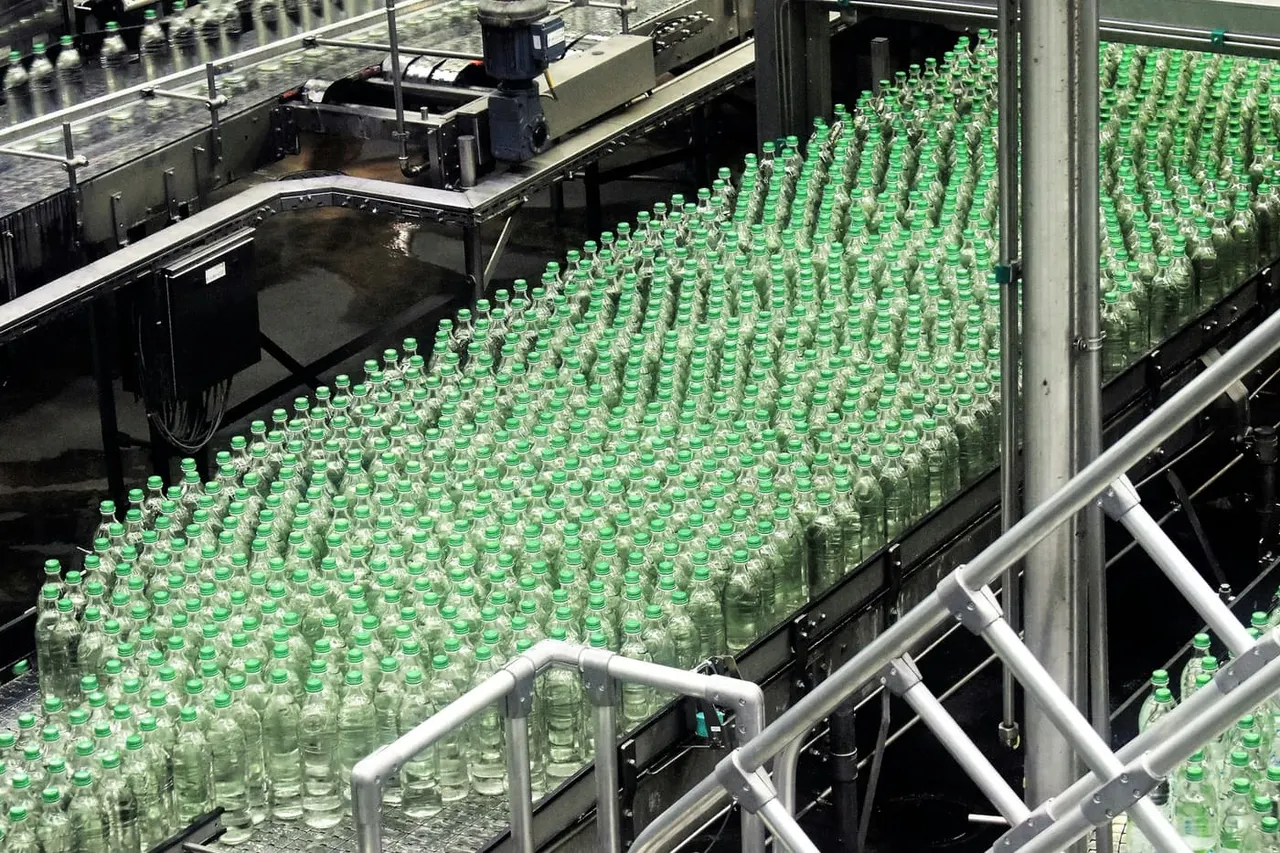
The full scope, not just the label.
- Raw & processed ingredients
- Snacks & cereals
- Sauces & condiments
- Frozen & ready meals
- Plant-based products
- Flavors & additives
- Co-packing & private label
- Ingredient distribution
The hidden inputs that decide a food product's Halal status
In food, Halal status is rarely decided by the headline recipe. It turns on the additives, enzymes, and processing aids that carry no obvious animal signal on the label. A single E-number can have two origins: mono- and diglycerides (E471) may come from vegetable oil or from tallow, and glycerin and stearic acid are just as ambiguous. Gelatin appears in gummies, clarified juices, and capsule coatings; L-cysteine (E920) conditions dough; shellac glazes confectionery; carmine (E120) colors it. Enzymes such as rennet or lipase may be sourced from animals or produced by microbial fermentation, and each route must be traced to source. Even inputs that never reach the finished label count: bone-char filtration in sugar refining, isinglass as a clarifying aid, release agents on the line.
Two problems compound this. Ethanol is a routine carrier in natural and spray-dried flavors, so a non-alcoholic product can still raise an alcohol question that has to be resolved on function and residual level. A 'natural flavor' is itself often a proprietary blend of dozens of sub-components sourced two or three tiers upstream, where any supplier can reformulate without notice. An HCC audit works the dossier down to those sub-suppliers, checking the source and function of each additive and the growth media behind every fermentation-derived input, since the medium a microbe is grown on can itself be non-Halal. Because these questions are as much biochemistry as scripture, HCC's auditors are multidisciplinary: Islamic scholars working alongside food technologists, biochemists, and microbiologists.
Commercially, that precision is what clears borders. Gulf importers apply GSO requirements, Malaysia references JAKIM's MS1500, and Indonesia now mandates BPJPH registration. Those ingredient rulebooks don't align, so a product cleared for one market can stall at another's customs or procurement desk. A certificate that documents every input to source lets a retail or foodservice buyer list you without repeating the investigation, and keeps a container moving rather than held at the port for questions. Where one undocumented additive can trigger a delisting, traceable proof is the commercial asset. If you ship abroad, the destination-by-destination requirements — including halal certification for exporting agricultural and food products to the Middle East — decide which of those rulebooks your file has to satisfy.
Three steps to a verifiable certificate.
Submit your application
Tell us your products and your facility. We scope the audit and schedule it — usually the same week.
We inspect and approve
An HCC auditor reviews documents, inspects the facility, runs lab and Shariah review, then issues your certificate.
Anyone verifies in seconds
Your certificate ID is public at verify.halalcc.org — and re-audited annually.
What an HCC auditor checks.
No surprises on audit day. These are the things we review before a food certificate is issued — and re-check annually.
- Full ingredient and additive declaration, including processing aids and carriers
- Supplier Halal status for every animal-derived or fermentation-derived input
- Cleaning, segregation, and cross-contamination controls on shared lines
- Traceability from incoming goods to finished, labelled SKU
- Storage and logistics chain-of-custody to the point of dispatch
Reach is through the network.
Through HCC's partner network, a certified food product is recognised in the destination markets it ships to — the Gulf, Southeast Asia, Europe, and North America among them.
Manufacturers we already certify in this category.
- Compass GroupInstitutional catering
- PuratosBakery ingredients
- Gan ShmuelJuice processing
- BojanglesQSR · seasoning
- Beyond OilFoodtech · oils
Questions about food certification.
Ready to certify your food?
Average issuance is about ten days from a clean application. Submit a batch for audit, or talk to a certification advisor about your scheme, market, and timeline.