Halal Pharmaceutical Certification
Solid dosage, soft-gel encapsulation, biologics, and excipients — certified under a GMP-aware Halal scheme that reads your formulation the way a regulator does.
The full scope, not just the label.
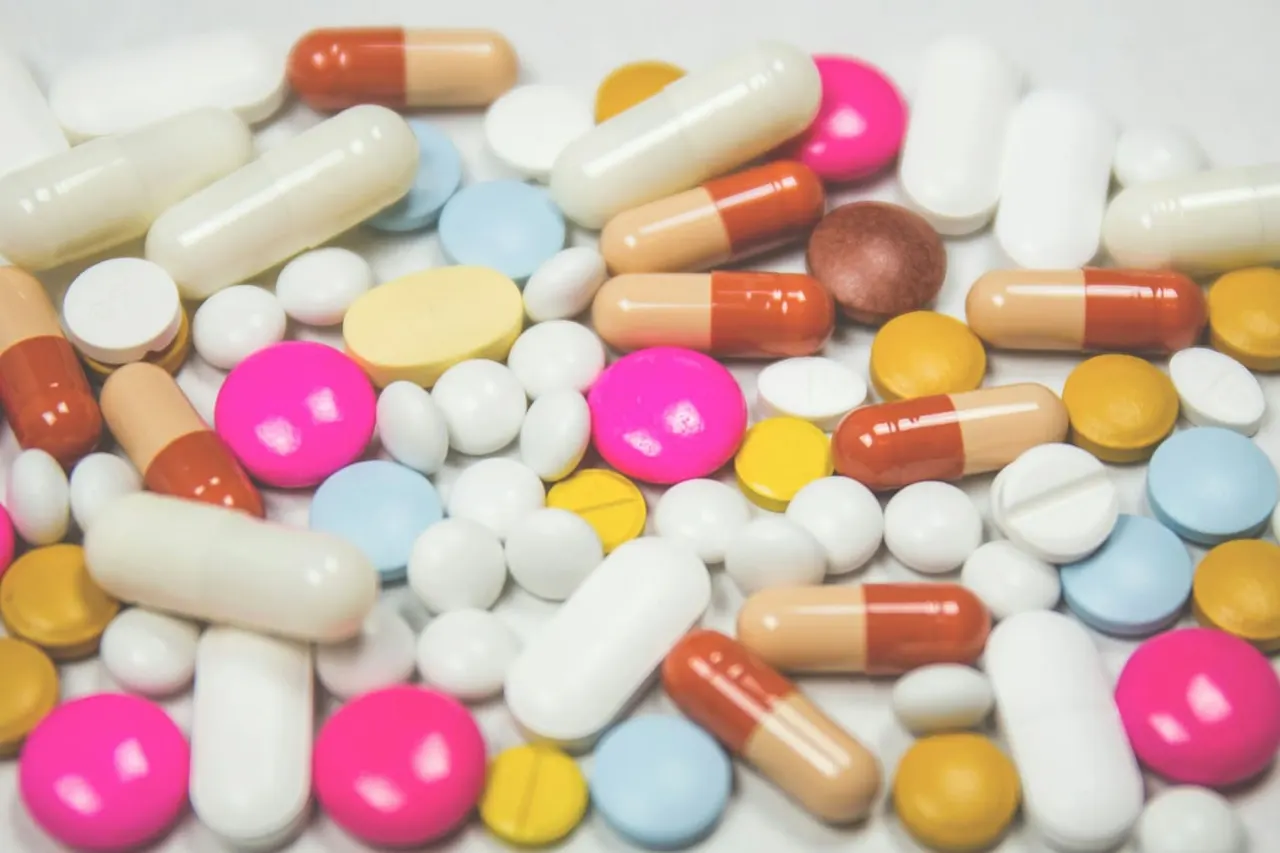
- Tablets & capsules
- Soft-gels & gummies
- Vaccines & biologics
- APIs & excipients
- Veterinary
- Contract manufacturing
- Capsule shells
Where pharma Halal risk hides: trace excipients and biologic inputs
Most pharma Halal risk sits in components that never reach the front of a spec sheet. Lubricants like magnesium stearate and stearic acid can be pressed from bovine tallow or from vegetable oil, and the two are chemically identical, so origin rather than the molecule is what a Halal review turns on. Soft-gels add glycerin and plasticizers with the same tallow-versus-plant question; coatings and glazes bring shellac, an insect resin, and carmine, a colorant made from crushed cochineal insects; and granulation and coating steps often use ethanol or isopropyl alcohol that must be documented as evaporating off before the final dose. Each appears in trace amounts, which is why the audit traces the origin of every carrier, not only the active ingredient.
Biologics and fermentation-derived products raise a harder question, because the sensitive inputs often never reach the finished dose. Cell-culture and fermentation media can carry bovine serum, porcine trypsin, or animal-derived peptones; heparin is porcine by default; and some enzymes and cross-linking agents originate in animal tissue. Here the audit stops asking what an ingredient is and starts asking what happened to it: whether a substance has undergone istihalah, a genuine change of nature that many scholars accept, and whether alcohol or animal residues are cleaned off shared multi-product lines. That is why HCC staffs its audits with a multidisciplinary panel, Islamic scholars working alongside biochemists and microbiologists who read the process, not just the label.
Commercially, Halal status is shifting from a label claim to a condition of sale. Regulators across the Gulf and Southeast Asia increasingly treat certification as a gate on product registration and procurement, from Malaysia's MS 2424 pharmaceutical standard to Indonesia's phased mandatory Halal registration. A missing or unverifiable certificate stalls a dossier or drops a bid; one a buyer can confirm at verify.halalcc.org clears customs and hospital-procurement review and reassures the prescribers and formulary committees who won't rely on a claim they can't check. For a contract manufacturer, it also protects the brand owners downstream who need the finished product certified for their own markets.
With biologics, the Halal question rarely sits in the active ingredient. A recombinant protein or purified antigen is often the most controlled part of the file; the exposure moves into the excipients and the inputs around them. Cell-culture and fermentation steps can carry animal-derived media and the porcine trypsin used to passage cells, while the finished formulation adds gelatin as a heat stabilizer and glycerin or polysorbate as carriers and surfactants. Each traces back to a collagen or fatty-acid source that reads the same on a spec sheet whether it began as plant or animal material.
That is why HCC reviews the active ingredient and the excipients as two separate questions. An API can be fully synthetic and clear quickly, while the polysorbate or gelatin listed as 'inactive' carries the origin risk that actually decides the file. Polysorbate 80, for example, is built on a fatty acid that a certificate of analysis reports by grade, not by source. Resolving it takes documentation depth: the audit works back to a supplier declaration for every stabilizer, surfactant, and process input, because that paper trail — not the molecule — is what a recognizing authority checks.
Three steps to a verifiable certificate.
Submit your application
Tell us your products and your facility. We scope the audit and schedule it — usually the same week.
We inspect and approve
An HCC auditor reviews documents, inspects the facility, runs lab and Shariah review, then issues your certificate.
Anyone verifies in seconds
Your certificate ID is public at verify.halalcc.org — and re-audited annually.
What an HCC auditor checks.
No surprises on audit day. These are the things we review before a pharmaceuticals certificate is issued — and re-check annually.
- Full excipient and API declaration with source and grade
- Capsule shell composition (gelatin source vs. plant-based)
- Status of fermentation-derived and animal-derived components
- Solvent and processing-aid review across the synthesis route
- Chain of custody and GMP segregation controls
Reach is through the network.
Certified pharma and supplement products are recognised through HCC's partner network in the export markets you supply, from the Gulf to Southeast Asia.
Manufacturers we already certify in this category.
- BactolacPharma & supplement
- HBI EuroCapsSoft-gel encapsulation
- VitalabsPharma & supplement
- TopGumNutraceutical gummies
Questions about pharmaceuticals certification.
Ready to certify your pharmaceuticals?
Average issuance is about ten days from a clean application. Submit a batch for audit, or talk to a certification advisor about your scheme, market, and timeline.