
E-Numbers and Halal Status: Reading Between the Codes
Shariah review: Mufti Abdul Sattar Madani · Editorial standards
Scan the back of almost any processed food and you will find a string of E-numbers: E471, E120, E422, and so on. They look like a secret code, and a common myth is that some are "Halal" and others are "haram." The truth is more useful and a little more demanding: an E-number describes what an additive does, not what it is made from. The same number can be entirely plant-based in one product and animal-derived in another.
That single fact changes how you read a label. The number is a starting point for a question, not an answer. To know the Halal status, you have to know the source — and that means documentation, not deduction.
Why the same code has two answers
Take E471, mono- and di-glycerides of fatty acids — one of the most common emulsifiers in food. It can be manufactured from vegetable oils or from animal fats. Both versions carry the same E-number because they perform the same function. Only the source determines whether a given batch is acceptable, and the label almost never tells you which source was used.
- E471 (mono- and di-glycerides) — plant or animal origin; common in bakery, dairy, and confectionery
- E422 (glycerol/glycerine) — can be plant-derived, synthetic, or animal-derived
- E120 (cochineal/carmine) — derived from insects; reviewed against the applicable ruling
- E441 (gelatin) — animal-derived; status depends on the source species and slaughter
- E904 (shellac/confectioner's glaze) — an insect-derived resin used as a coating
Some additives are unambiguous. Many minerals and synthetics raise no source question at all. But a meaningful subset — the emulsifiers, certain colours, glazes, and gelling agents — are exactly the ones where the same code masks two very different origins.
Ethanol-adjacent and fermentation-derived additives
A further layer of nuance: some additives are produced by fermentation, and the question becomes what the organism was grown on and how the substance was purified. Others may involve a solvent — frequently ethanol — somewhere in their production. None of this makes an additive automatically unacceptable, but each opens a line of inquiry that a careful review pursues to a documented conclusion.
The E-number is the question. The source documentation is the answer.
How an audit handles E-numbers
When a product's ingredient list includes additives with variable origins, an HCC auditor does not guess and does not rely on the number alone. The review traces each one back to its supplier specification:
- The source of every emulsifier, glaze, colour, and gelling agent that can vary by origin
- Supplier documentation confirming plant, synthetic, or Halal-slaughtered animal origin
- The processing aids and solvents used in the additive's manufacture
- Whether the same code appears in multiple ingredients, each requiring its own verification
The result is recorded against the certificate. That is what lets a buyer trust the decision: not a blanket claim that "E471 is fine," but a documented confirmation that this product's E471 was verified to an acceptable source.
What this means for manufacturers
If your formulation relies on additives with variable origins, the most effective preparation is to obtain source statements from your suppliers ahead of time. A specification that names the origin of each emulsifier and colour resolves most of the review before it begins. Where a supplier cannot or will not document the source, that is a signal to consider an alternative — and reputable suppliers increasingly provide Halal source statements as a matter of course.
The lesson generalises beyond E-numbers. Across Halal review, the recurring theme is the same: the name on the label is rarely enough, and the documentation behind it is where conformity is actually established.
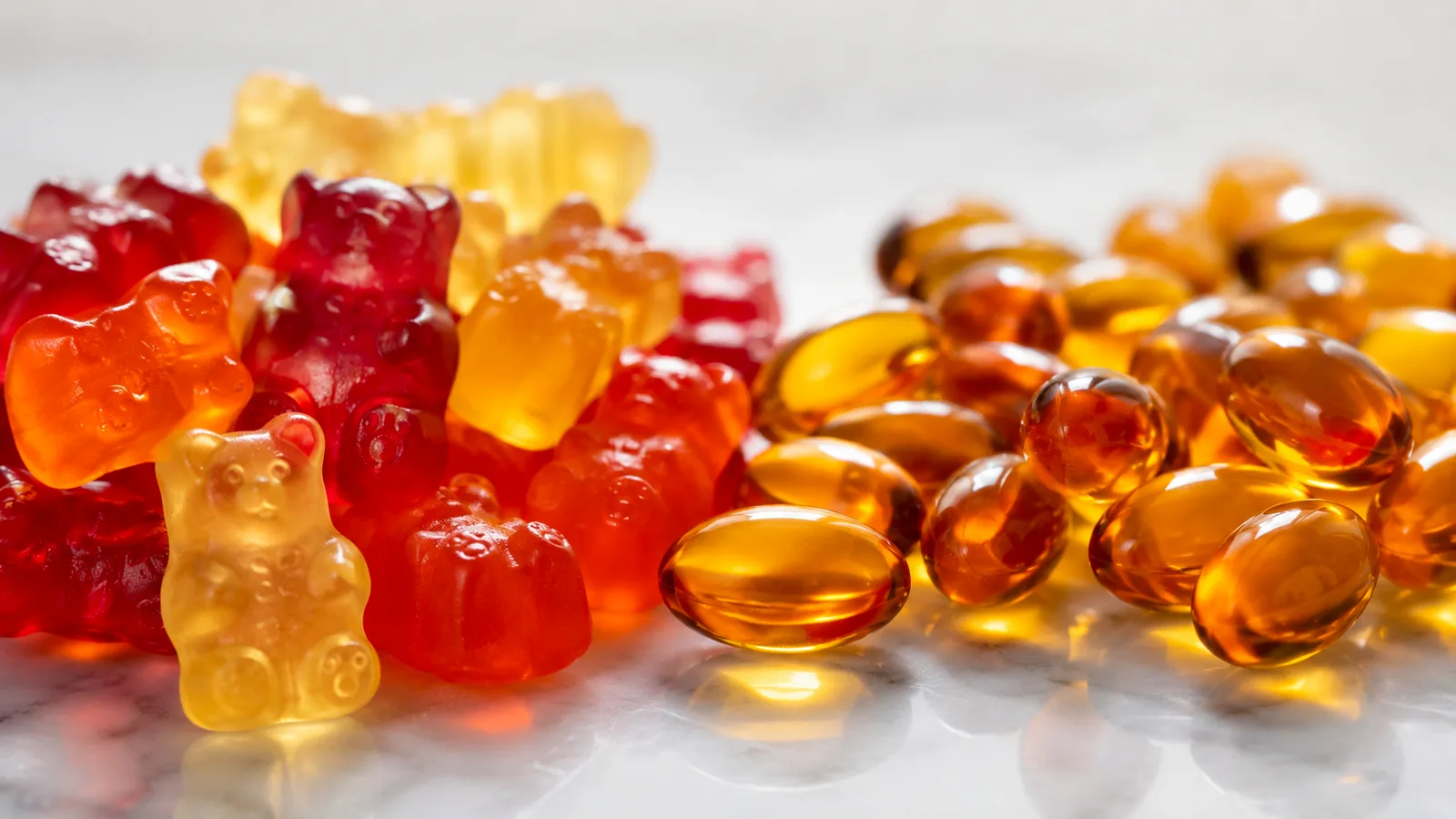
Halal Gelatin: Sources, Status, and What to Check
Gelatin is one of the most common reasons a product fails — or passes — a Halal review. A clear guide to bovine, porcine, fish, and plant-based sources.
Ethanol in Food: How Halal Rulings Approach It
Ethanol is not a simple yes-or-no question. Source, function, and residual level all shape the ruling — which is why a careful audit documents its rationale.

What Is Halal Certification, Really?
Halal certification is not a sticker — it is a documented claim a buyer or regulator can check. Here is what it covers, who it is for, and how it is built.
Ready to get certified?
Average issuance is about ten days from a clean application. Submit a batch for audit, or talk to a certification advisor about your scheme, market, and timeline.