
Halal Gelatin: Sources, Status, and What to Check
Shariah review: Mufti Abdul Sattar Madani · Editorial standards
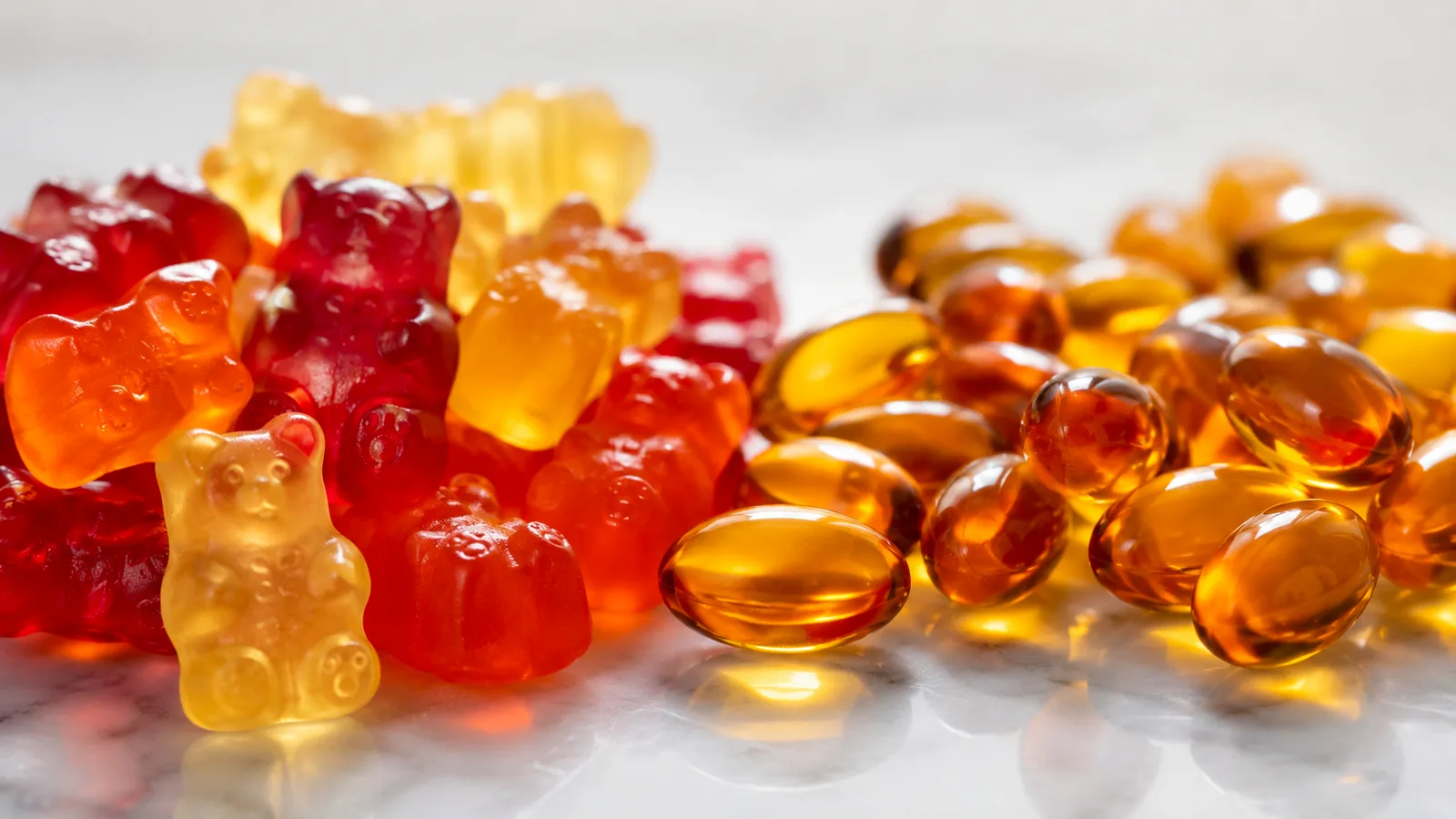
Few ingredients sit at the centre of so many Halal questions as gelatin. It is in gummies and marshmallows, in the shell of a soft-gel capsule, in some yoghurts and desserts, and in places you would never expect. Because gelatin is derived from animal collagen, its Halal status depends entirely on what animal it came from and how that animal was handled. That makes it a perfect lens for understanding how ingredient review really works.
The four sources
- Porcine gelatin — derived from pigs. Not acceptable for Halal certification under any circumstance.
- Bovine gelatin — derived from cattle. Acceptable when the cattle were slaughtered according to Halal requirements and the supply chain is documented.
- Fish gelatin — derived from fish. Generally straightforward, as fish are broadly acceptable, though the processing chain is still reviewed.
- Plant-based gelling agents — such as pectin, agar, and carrageenan. Not gelatin at all, but common substitutes; reviewed on their own merits.
The label rarely tells you which of these you are dealing with. A product may simply list "gelatin" with no source. That single word is why gelatin is one of the most frequent reasons a product is held for review — and why source documentation is the heart of the matter.
Why bovine gelatin is not automatic
People sometimes assume that beef gelatin is automatically Halal because beef can be Halal. It is not that simple. Cattle must be slaughtered according to Halal requirements for their derivatives to qualify, and the gelatin supply chain has to be traceable back to that slaughter. A great deal of industrial bovine gelatin comes from conventional sources where this cannot be established.
So the question an auditor asks is never "is it beef?" but "can you document a Halal-slaughtered, traceable source for this specific gelatin?" Where that documentation exists, bovine gelatin certifies cleanly. Where it does not, the conversation turns to alternatives.
With gelatin, the species is the headline, but the documentation is the story.
Fish gelatin and plant-based alternatives
Fish gelatin has become popular precisely because it sidesteps the slaughter question — fish are broadly acceptable, so the review focuses on the processing aids and the chain of custody rather than the source animal. It behaves differently from mammalian gelatin in a formulation, which is why it is not always a drop-in replacement, but for many products it is the simplest route.
Plant-based gelling agents go further still. Pectin in gummies, agar in desserts, and carrageenan in dairy applications remove the animal question entirely. They are reviewed like any other ingredient — for their own sources and processing — but they take the most contentious variable off the table.
What an audit verifies
When gelatin appears in a product under review, the audit works through a short, specific checklist:
- The species the gelatin is derived from, confirmed by supplier documentation
- For bovine gelatin, evidence of Halal slaughter and a traceable supply chain
- The processing aids used in extraction, which can carry their own status questions
- Cross-contamination controls if the same equipment handles multiple gelatin types
The outcome is recorded against the certificate. A buyer who later checks the certificate sees exactly what was verified — not a vague reassurance, but a documented decision about a specific ingredient.
The practical takeaway
If your product contains gelatin, the single most valuable thing you can do before certification is establish its source in writing. A supplier specification naming the species and, for bovine, the slaughter basis will resolve most of the question before an auditor ever asks. Where that documentation cannot be obtained, a fish or plant-based alternative is usually available — and increasingly, manufacturers reformulate proactively to keep gelatin from being a recurring obstacle.

E-Numbers and Halal Status: Reading Between the Codes
An E-number tells you what an additive does, not what it is made from. The same code can be plant or animal-derived — so source documents decide Halal status.
Halal Pharmaceuticals: Excipients & Capsule Shells
In a tablet or capsule, the active is rarely the Halal question. The excipients, capsule shell, and processing aids are — and they reward a close review.

What Is Halal Certification, Really?
Halal certification is not a sticker — it is a documented claim a buyer or regulator can check. Here is what it covers, who it is for, and how it is built.
Ready to get certified?
Average issuance is about ten days from a clean application. Submit a batch for audit, or talk to a certification advisor about your scheme, market, and timeline.