
Halal Pharmaceuticals: Excipients & Capsule Shells
Shariah review: Mufti Abdul Sattar Madani · Editorial standards
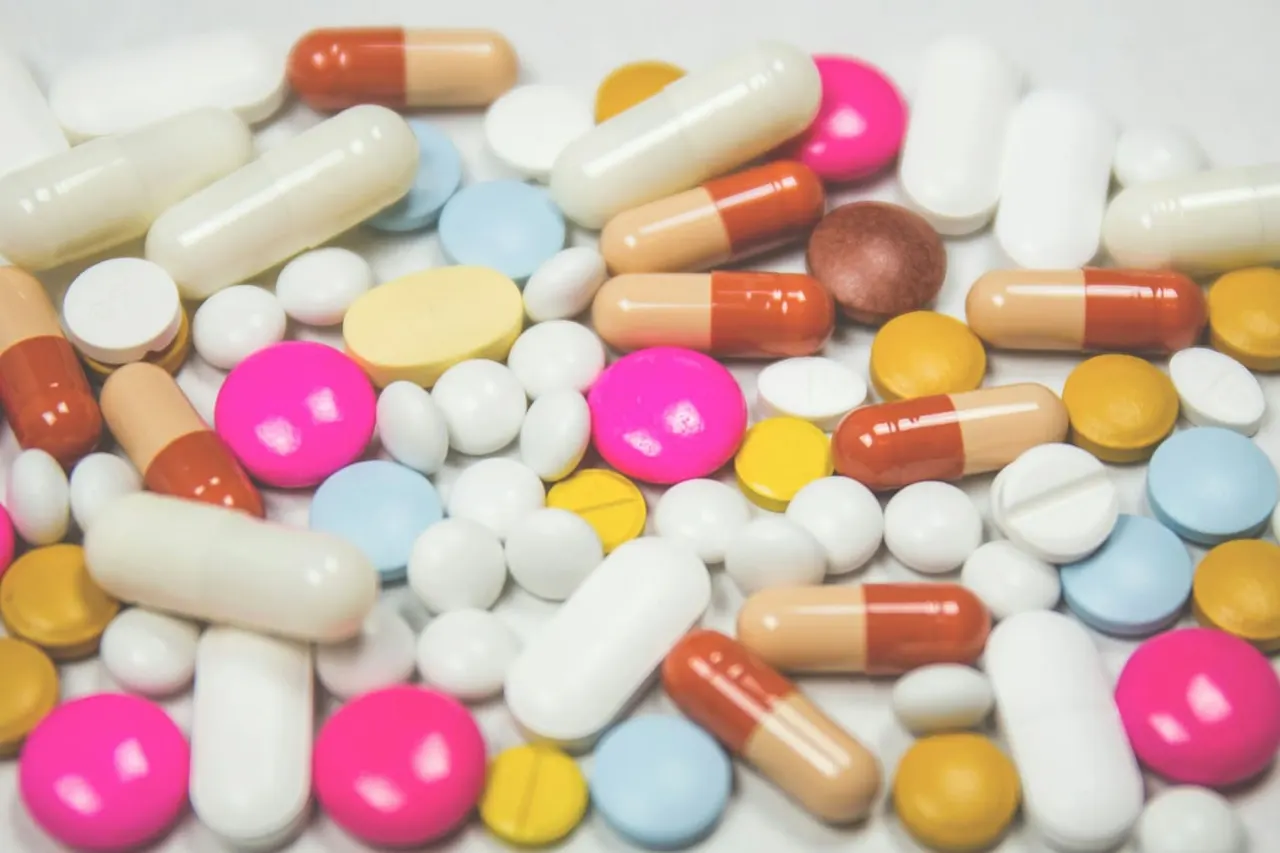
When people think about Halal pharmaceuticals, they tend to think about the active ingredient. In practice, the active is rarely where the Halal question lives. The interesting parts of a tablet or capsule are the parts that do not heal you: the excipients that bind and bulk the formulation, the shell that holds a capsule together, and the processing aids used along the way. That is where a pharmaceutical audit spends its time.
The capsule shell
Start with the most familiar example. A traditional capsule shell is made of gelatin, and gelatin, as in food, is animal-derived. Its Halal status depends on the source species and, for bovine gelatin, on documented Halal slaughter. Many supplement and pharma manufacturers use bovine gelatin capsules that certify cleanly when the source is documented; others have moved to plant-based shells — typically hypromellose (HPMC) — which remove the question entirely.
Either route can work. What matters is that the shell is identified and, if gelatin, traced to an acceptable source. The capsule is not an afterthought; it is an ingredient.
Excipients: the quiet majority
By mass, a dosage form is mostly excipients — the binders, fillers, coatings, lubricants, and glidants that make a tablet manufacturable and a capsule swallowable. Most raise no question. A few are exactly the variable-origin ingredients that recur across Halal review:
- Magnesium stearate — a common lubricant that can be plant or animal derived
- Gelatin and other animal-derived binders or coatings
- Glycerin used as a plasticiser, which may be plant, synthetic, or animal in origin
- Lactose and other inputs whose processing aids warrant a look
- Flavours, colours, and glazes on coated tablets, reviewed as they would be in food
The pattern is the one that runs through every category: the name on the formulation is the start of the question, and the supplier specification is the answer.
Fermentation, biologics, and solvents
Pharmaceuticals add complexity that food does not. Some active ingredients and excipients are produced by fermentation, which raises questions about the growth medium and purification. Biologics and vaccines can involve animal-derived components or culture systems. Synthesis routes may use solvents, including ethanol, that need to be accounted for. A capable pharmaceutical audit reads the formulation the way a regulator does — component by component, route by route — rather than stopping at the active.
In a tablet, the medicine is rarely the Halal question. The things that hold it together are.
Running alongside GMP
Pharmaceutical manufacturers already operate under Good Manufacturing Practice, with rigorous documentation: batch records, supplier specifications, cleaning validation, change control. A well-designed Halal scheme does not duplicate any of that. It runs alongside the GMP system and reuses the documentation that already exists, layering the Halal source questions onto records the facility already maintains.
This matters practically. Manufacturers often fear that Halal certification means a parallel quality system. Done well, it does the opposite — it reads the existing system through a Halal lens and asks the additional source questions that GMP does not.
What the audit verifies
- Full excipient and active declaration, with source and grade for each
- Capsule shell composition — gelatin source versus plant-based
- Status of fermentation-derived and animal-derived components
- Solvents and processing aids across the synthesis route
- Chain of custody and GMP segregation controls
The result is recorded against a certificate that an importer, a regulator, or a hospital procurement office can verify. For a category where trust is everything, a publicly checkable record is not a nicety — it is the point. The medicine has to be trustworthy, and so does the claim about it.
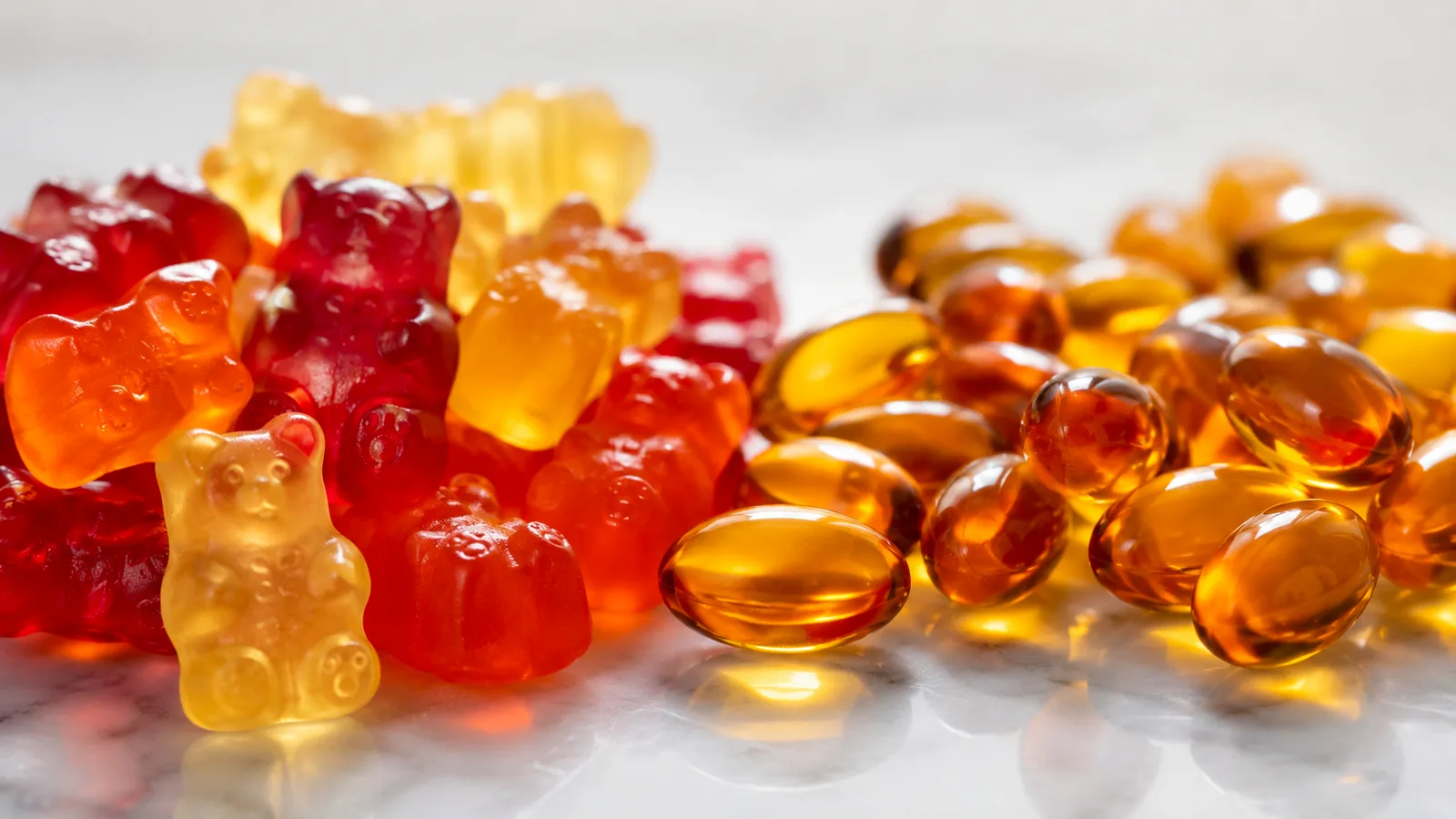
Halal Gelatin: Sources, Status, and What to Check
Gelatin is one of the most common reasons a product fails — or passes — a Halal review. A clear guide to bovine, porcine, fish, and plant-based sources.
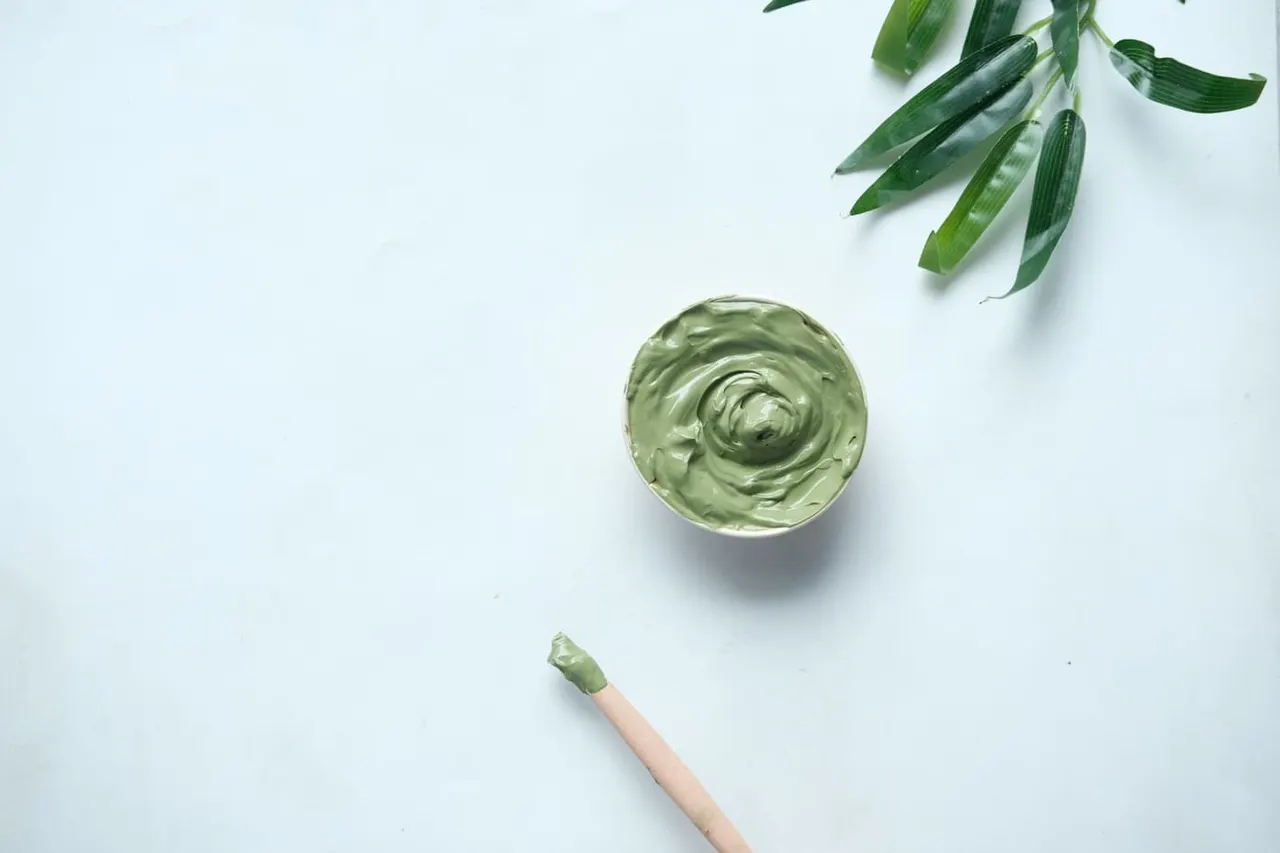
Halal Cosmetics: What to Check Before You Certify
Cosmetic claims live in the ingredient list. From animal-derived glycerin to ethanol and carmine, here is what a Halal cosmetics audit checks at INCI level.
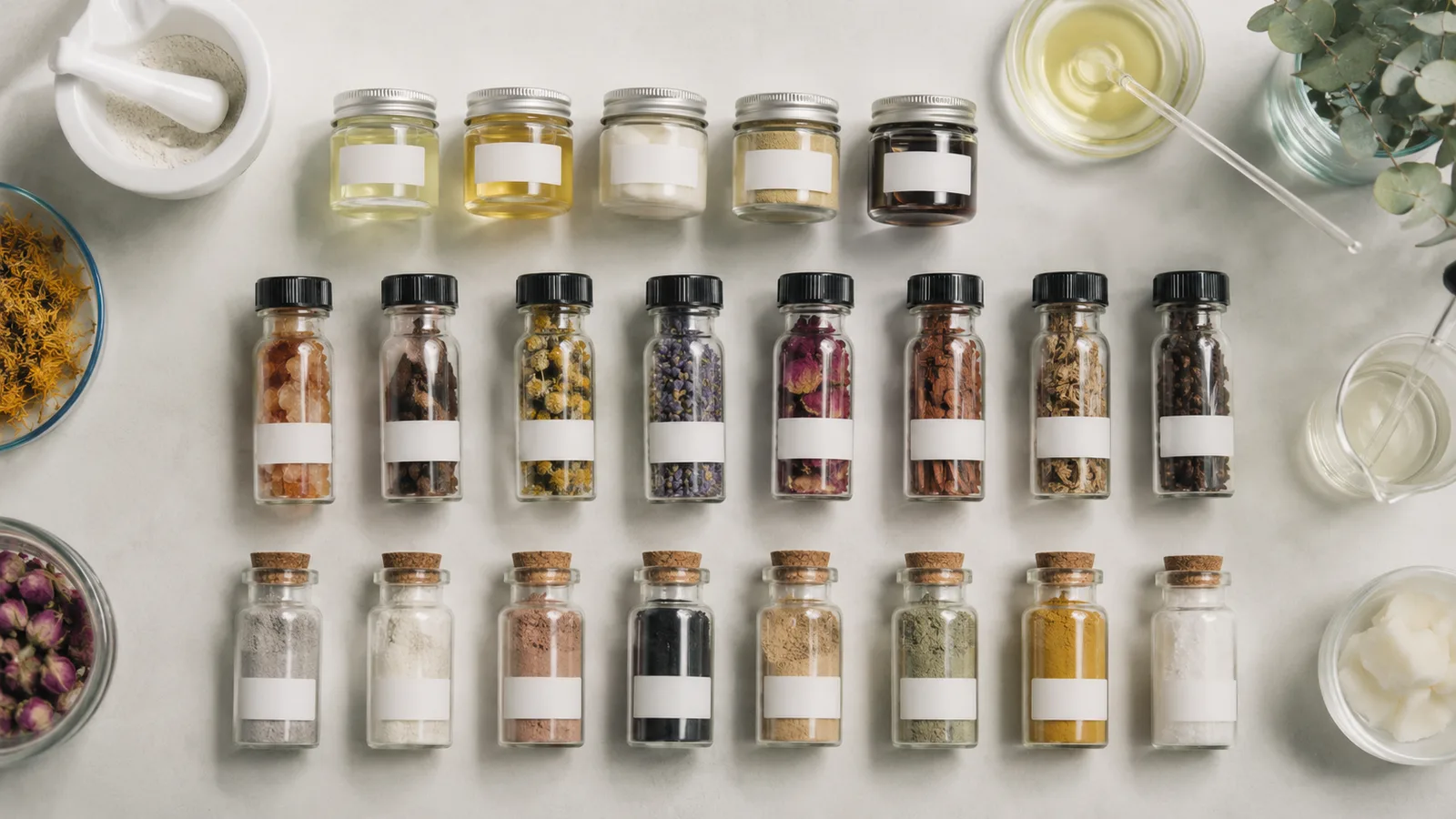
E-Numbers and Halal Status: Reading Between the Codes
An E-number tells you what an additive does, not what it is made from. The same code can be plant or animal-derived — so source documents decide Halal status.
Ready to get certified?
Average issuance is about ten days from a clean application. Submit a batch for audit, or talk to a certification advisor about your scheme, market, and timeline.