Cultured Meat and Halal: An Emerging Question
Shariah review: Mufti Abdul Sattar Madani · Editorial standards

Most Halal questions are old questions applied to familiar things: this additive, that slaughter method, this supply chain. Cultured meat — meat grown from animal cells rather than from a slaughtered animal — is genuinely new, and it presents a question the classical framework was not written to answer directly. That makes it one of the more interesting frontiers in contemporary Halal scholarship, and a useful case study in how a mature framework adapts to novel technology.
We want to be careful here. The scholarly discussion is ongoing, standards bodies are still forming positions, and HCC does not pretend to settle a question that the wider community is actively working through. What we can do is lay out, honestly, where the open issues lie.
How cultured meat is made
The process begins with cells taken from an animal. Those cells are grown in a controlled environment, fed by a growth medium, and encouraged to multiply and differentiate into muscle and fat tissue. The output is a biological product that resembles conventional meat without an act of slaughter at the point of production. Each of those steps raises a distinct question for Halal evaluation.
The open questions
- The source cells — from what animal were they taken, and was that animal itself acceptable? Cells from a non-acceptable species raise an immediate concern.
- The slaughter question — does a product grown from cells require the source animal to have been slaughtered according to Halal requirements, and how does that obligation translate to a cell line?
- The growth medium — what feeds the cells? Historically some media relied on animal-derived serum, which carries its own status question; the shift toward animal-free media is directly relevant here.
- Other inputs — scaffolds, enzymes, and processing aids used in cultivation, each reviewed as it would be in any other product.
These are not rhetorical. Different scholars and standards bodies weigh them differently, and the answers may well depend on the specifics of a given production method. A cultured product made from acceptable source cells in an animal-free medium presents a very different profile from one that is not.
A new technology does not get a new ethics. It gets the same principles, applied carefully to unfamiliar facts.
Why the framework still applies
It would be a mistake to treat cultured meat as lawless territory. The underlying principles of Halal evaluation — acceptable source, clean inputs, documented provenance, no prohibited components — apply just as they do to any other product. What is new is the set of facts, not the standard against which those facts are judged. That is precisely how a durable framework is supposed to behave: stable in principle, adaptable in application.
Where verification fits
Whatever consensus emerges, the verification problem will be the same one that governs every other category: a claim about a cultured-meat product is only useful if it can be checked. The source cells, the growth medium, and the processing inputs would all need to be documented and traceable, exactly as they are for a conventional product, and the resulting decision would need to be recorded against a certificate a buyer can confirm.
For manufacturers exploring this space, the practical posture is to build traceability in from the start — to document the source cells, the medium, and every input as if a careful audit were coming, because eventually one will be. The technology is new; the discipline it demands is not.
Cultured meat is a reminder that Halal certification is not a fixed list of approved ingredients but a method of reasoning. The list will keep changing as food technology advances. The method — verify the source, document the chain, make the claim checkable — is what holds.

What Is Halal Certification, Really?
Halal certification is not a sticker — it is a documented claim a buyer or regulator can check. Here is what it covers, who it is for, and how it is built.
Halal Gelatin: Sources, Status, and What to Check
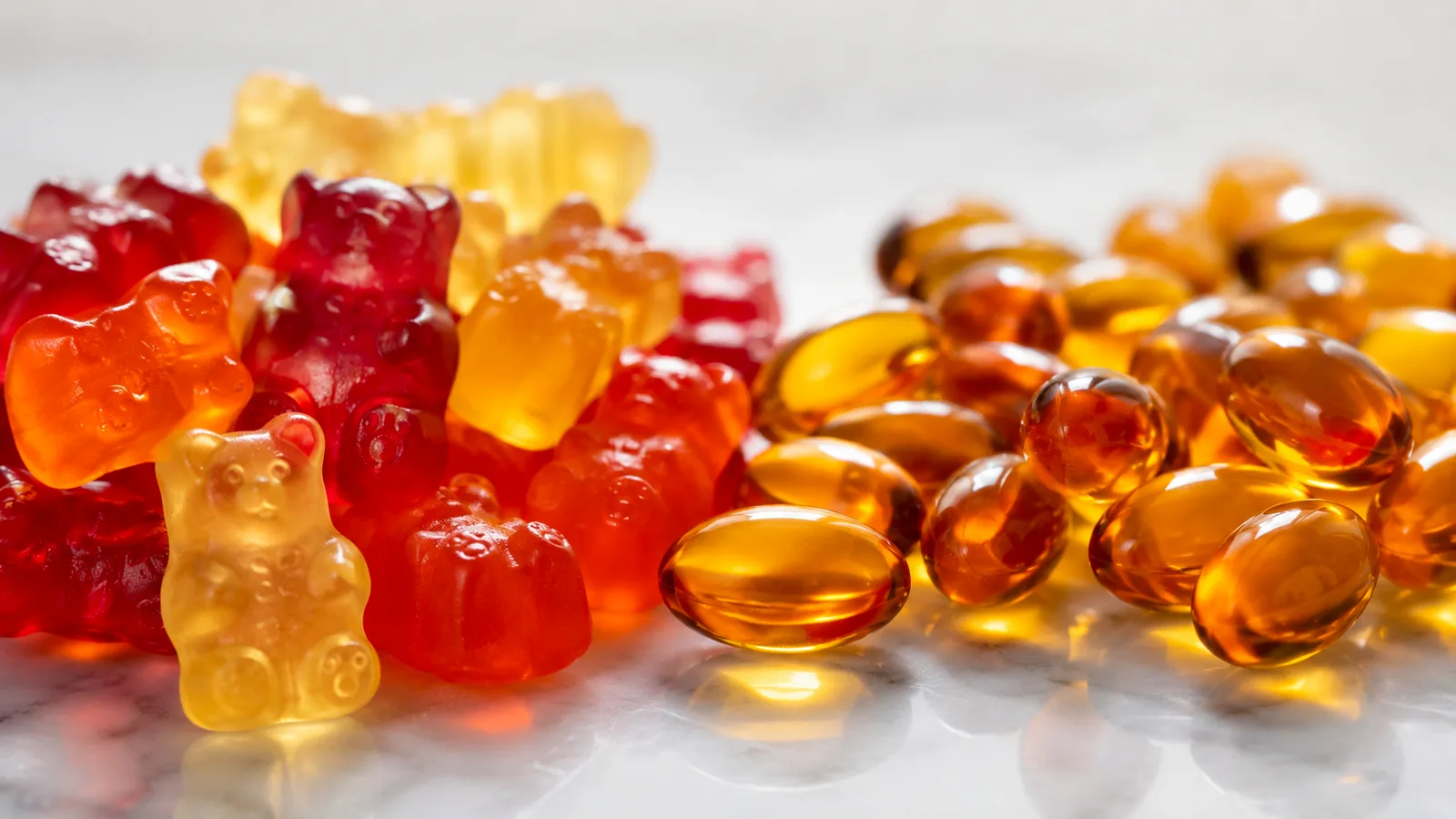
Gelatin is one of the most common reasons a product fails — or passes — a Halal review. A clear guide to bovine, porcine, fish, and plant-based sources.
Why Verification Matters More Than the Mark
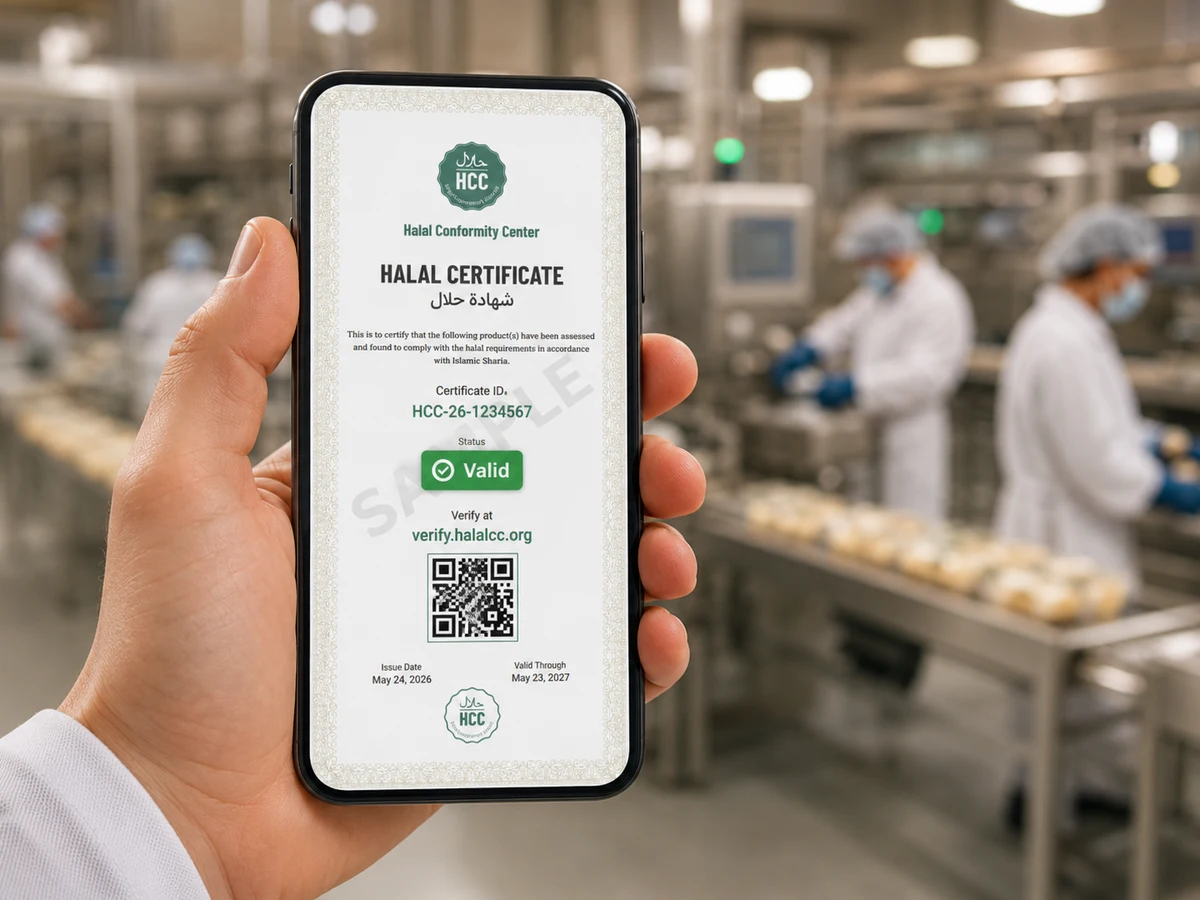
A Halal logo is only as good as the record behind it. Real-time verification is what turns a claim into trust — and protects honest makers from fake marks.
Ready to get certified?
Average issuance is about ten days from a clean application. Submit a batch for audit, or talk to a certification advisor about your scheme, market, and timeline.