
Halal Supplement & Nutraceutical Certification
A supplement's Halal status is decided at the capsule shell — gelatin source, softgel plasticizer, and the excipients behind them — long before the actives are read. HCC certifies supplement production under a GMP-aware scheme and issues a certificate any buyer can verify in seconds.
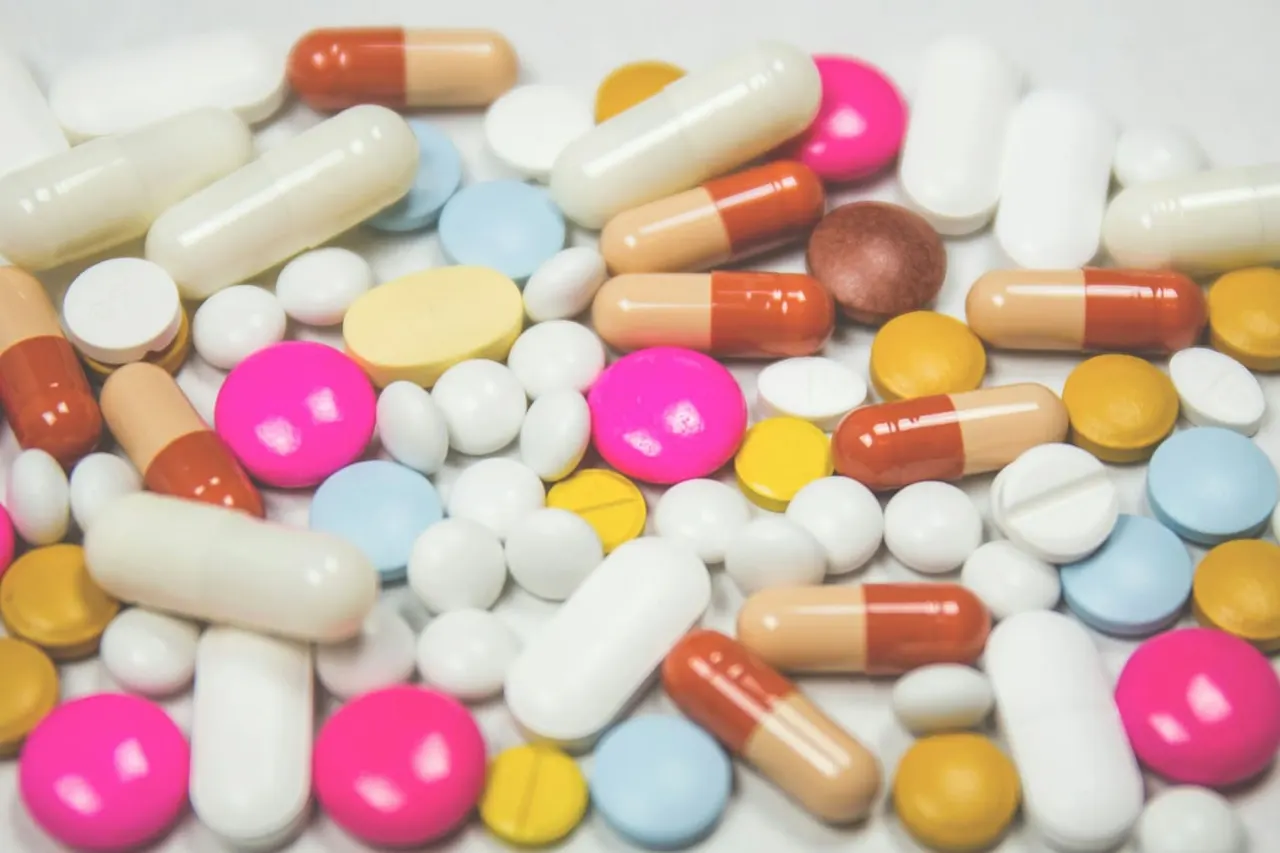
The full scope, not just the label.
- Gelatin & HPMC capsules
- Softgels
- Gummies & chewables
- Tablets & powders
- Botanical extracts
- Vitamin & mineral premixes
- Sports nutrition
- Contract manufacturing
From the capsule shell down: where supplement Halal status is decided
Start with the shell, because that is where most supplement reviews are won or lost. Most two-piece hard capsules are gelatin, and gelatin splits three ways: porcine, which cannot be certified; bovine, which can be — but only when supplier documentation traces it to Halal-slaughtered cattle; and fish, which is generally straightforward. All three are chemically indistinguishable in the finished capsule, so the determination rests on traceability, not lab analysis. Plant-based shells — HPMC (hypromellose), a cellulose derivative, and pullulan, fermented from starch — remove the slaughter question entirely, which is why many brands switch during certification. The full breakdown is in our guide to gelatin sources and their Halal status.
Softgels move the question into the shell's plasticizer. A softgel is gelatin worked with glycerin, and glycerin carries the same tallow-versus-vegetable ambiguity as the tableting lubricants: magnesium stearate and stearic acid are chemically identical whether pressed from animal fat or palm oil, so only the supplier's declaration settles them. The coating and carrier layer follows — shellac glaze on tablets, carmine in coloured shells, and the gelatin beadlets that stabilise vitamins A and D3, the latter typically derived from lanolin. None of this shows origin on a Supplement Facts panel, which is why the audit reads specifications and declarations rather than labels; our E-number reference maps the additive layer.
Botanical and gummy formats widen the scope again. Botanical extracts are routinely produced with ethanol as the extraction solvent, and finished formulas often carry flavours in an ethanol base; both are reviewed on function and residual level, consistent with how alcohol is treated in Halal rulings. Gummies bring gelatin back in confectionery form or move to pectin and starch bases that certify more directly — the same source logic our confectionery scheme applies. And because most supplement brands manufacture through contract facilities, shared encapsulation and blending lines put changeover, cleaning validation, and run scheduling squarely inside the audit.
For US supplement brands, the commercial case now runs in both directions. Outbound, Halal certification is increasingly a registration and procurement gate across the Gulf and Southeast Asia, with Indonesia phasing in mandatory Halal coverage — a certified product travels through HCC's export recognition routes rather than a country-by-country scramble. At home, there is no government Halal stamp, so a retail buyer's checklist comes down to whether a credible third party stands behind the claim. Most certifiers take 30–60 days to issue; HCC issues in about 10 business days through a defined application and audit sequence. Our view: decide the shell for Halal at formulation, not after launch — swapping a capsule spec later costs far more than certifying early.
Three steps to a verifiable certificate.
Submit your application
Tell us your products and your facility. We scope the audit and schedule it — usually the same week.
We inspect and approve
An HCC auditor reviews documents, inspects the facility, runs lab and Shariah review, then issues your certificate.
Anyone verifies in seconds
Your certificate ID is public at verify.halalcc.org — and re-audited annually.
What an HCC auditor checks.
No surprises on audit day. These are the things we review before a supplements & nutraceuticals certificate is issued — and re-check annually.
- Capsule shell composition — gelatin species and slaughter documentation, or HPMC/pullulan grade
- Softgel glycerin and plasticizer origin, tallow vs. vegetable
- Magnesium stearate, stearic acid, and excipient source declarations
- Ethanol use in botanical extraction, flavours, and coatings, with residuals documented
- Cross-contact and changeover controls on shared encapsulation and blending lines
Reach is through the network.
Certified supplements are recognised through HCC's partner network in the destination markets you supply — the Gulf and Southeast Asia among them — and carry the independent proof US retail buyers increasingly ask for.
Manufacturers we already certify in this category.
- BactolacPharma & supplement
- VitalabsPharma & supplement
- HBI EuroCapsSoft-gel encapsulation
- TopGumNutraceutical gummies
Questions about supplements & nutraceuticals certification.
Ready to certify your supplements & nutraceuticals?
Average issuance is about ten days from a clean application. Submit a batch for audit, or talk to a certification advisor about your scheme, market, and timeline.