
Halal certification for the Gulf & Middle East.
Saudi Arabia, the UAE, and the wider GCC each decide acceptance at their own border, under their own scheme. A certificate helps only if the destination recognizes the body behind it. HCC's route in is its partner network — and a certificate any customs desk can check at verify.halalcc.org.
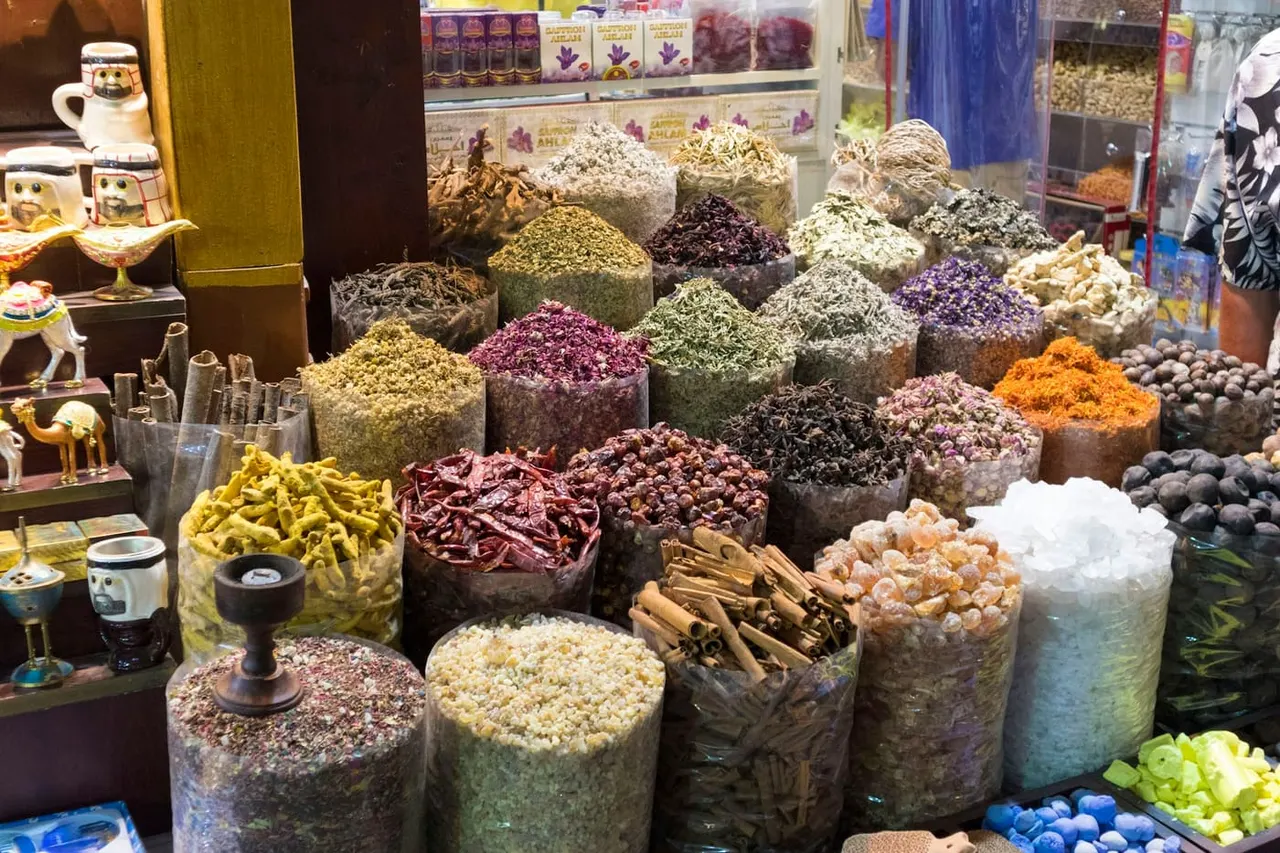
Wherever you manufacture — the United States, Europe, Egypt, or Asia — the Gulf asks the same three questions of your shipment: who issued the Halal certificate, does its scope name exactly what is in the container, and does the file behind it hold up. This page maps who decides each of those answers, what documentation they expect, and how an HCC certificate reaches them.
Who decides what, from Riyadh to Dubai.
SFDA & the Saudi Halal Center
The Saudi Food and Drug Authority regulates food entering the Kingdom. The Saudi Halal Center, established within the SFDA, oversees the Halal side: which foreign certification bodies it accepts, and what their certificates must cover.
What they check: The body behind your certificate; the match between certificate scope and the products in the consignment; and, for meat and poultry, the slaughter documentation traveling with the shipment.
What the file needs: A Halal certificate from an accepted body naming your exact products and manufacturing site; slaughter certificates for meat consignments; labeling that meets SFDA requirements, Arabic included.
MoIAT & EIAC
The Ministry of Industry and Advanced Technology administers the UAE's national Halal scheme and the mark that goes with it. EIAC — the Emirates International Accreditation Centre — accredits the certification bodies whose certificates that scheme accepts.
What they check: Whether the issuing body is recognized under the scheme; whether the Halal mark on your packaging is permitted; whether the certificate scope matches the goods shipped.
What the file needs: A certificate from a body recognized under the UAE scheme; a label whose Halal mark the scheme allows; scope written for the products actually in the container.
GAC
The GCC Accreditation Center is the Gulf's regional accreditation body. It accredits Halal certification bodies against the Gulf's GSO standards, and its accreditation is the reference across the bloc's six member states.
What they check: The accreditation standing of the certifier, and whether the certification scheme conforms to the GSO Halal standards.
What the file needs: Certification issued under a scheme the bloc's framework accepts, and consistency between certificate, product, and shipping documents at every border inside the bloc.
SMIIC
The Standards and Metrology Institute for Islamic Countries is the OIC's standards body. It inspects nothing and stops no shipment — it writes the OIC/SMIIC Halal standards that requirements across the region reference. HCC certifies to OIC/SMIIC 1:2019.
What they check: Nothing at the border. But the definitions in your file — permitted ingredient sources, slaughter method, process controls — are read against this layer.
What the file needs: A certificate issued against a standard the destination's scheme aligns with, so the definitions match when a regulator reads the file.
What a Gulf-bound file contains.
Ingredient Halal certificates from accepted sources
The destination judges your inputs, not only your finished product. Gelatin, enzymes, flavors, and fats certified by a body the destination does not recognize can fail the file even when the finished-product certificate is in order. Have your suppliers’ certificates ready at application — they get reviewed against each destination in your scope.
A permitted label and mark
Gulf schemes restrict which Halal marks may appear on imported packaging, and labels are expected to carry Arabic. An unregistered logo alone can hold a container at customs, whatever the certificate behind it says.
Names that match exactly
Product names, manufacturer, and site on the certificate must read identically on the shipping documents. Near-matches trigger holds; an inspector will not interpolate between a certificate that says one thing and a bill of lading that says another.
Slaughter documentation for meat
For meat and poultry, the slaughter file carries the consignment: the slaughterhouse, the date, the method, and the Halal supervision under which it ran — alongside the product certificate. Halal meat certification covers how that file is built and audited.
Shipping agricultural commodities rather than finished goods — grains, oils, sugar, dairy powders? The questions shift to processing aids and bulk handling, and Halal export certification walks the commodity file in detail. For finished and processed food, start at Halal food certification.
One audit, scoped to every Gulf destination you name.
Name your destinations at application — Saudi Arabia, the UAE, the wider bloc — and the audit reasons backward from each of them: ingredient sources checked against what each destination accepts, label and mark against each scheme’s rules, slaughter documentation where meat is in scope. The result is one certificate written for all the markets you actually ship to, not a stack of country files.
Recognition travels through HCC’s partner network — the same names in the authority map above, alongside partners across Asia and Africa — reaching 180+ markets in all. We are deliberate about the wording: HCC does not claim a national accreditation in these markets; certified product reaches them through the network. Partners & recognition lays out the whole structure, and Exporting to the GCC: understanding Halal requirements is the primer if you are earlier in the process.
At the border, the certificate answers for itself. Every HCC certificate is public at verify.halalcc.org — a customs officer, importer, or procurement desk enters the number and reads scope, status, and validity without an account and without emailing anyone. Certificates issue about 10 business days after a successful audit, and an annual surveillance re-audit keeps the record current against schemes that keep moving. Audit teams pair Islamic scholars with food technologists, biochemists, and microbiologists, so the file is read the way both a regulator and your R&D team would read it. And if HCC cannot certify your product, the fee is refunded in full.
What exporters ask about the Gulf.
The pages behind this one.
Certify once. Clear every Gulf border you name.
Name your destinations, and the audit produces one certificate scoped to all of them — publicly verifiable, re-audited annually.